







Grandparents play an important role in many families. They pick kids up from school, help with daycare, step in when parents have to work, and are often the first people parents call when life doesn't go according to plan.
Yet one comment comes up again and again whenever car seat safety is discussed online: "If Grandma can't unbuckle the car seat, she shouldn't be watching the kids."
While that may sound simple, real life rarely is. Many grandparents live with arthritis, reduced hand strength, thumb pain, or other conditions that make pressing a stiff car seat buckle difficult. Others have temporary injuries or limited mobility. And for many families, grandparents aren't just occasional babysitters, they're an essential part of the support system that helps everything keep running.
The important question isn't whether Grandma has perfect grip strength. It's whether everyone involved is prepared to keep children safe.
Start With an Honest Conversation
If grandparents regularly drive your children, take a few minutes to go over the basics together. Talk about how the harness should fit, how to tighten it correctly, and when it's appropriate to move a child into the next type of seat. Walk through your child's daily routine and answer any questions before they're heading out on their own.
The goal isn't to turn grandparents into certified technicians overnight. It's simply to make sure they feel comfortable and confident using the equipment they'll rely on.
Try the "Thumb Test"
One simple exercise is to see whether the primary caregiver can comfortably release the buckle on your child's car seat. With the vehicle safely parked, have Grandma or Grandpa unbuckle the seat several times using normal hand pressure.
If releasing the buckle is painful, requires repeated attempts, or simply isn't possible, don't ignore it. That doesn't mean they aren't capable caregivers. It means you've identified something that deserves attention before an emergency ever happens.
It's much better to discover a challenge during a calm afternoon in the driveway than during a stressful situation in a crowded parking lot or on the side of the road.
Remember That Emergencies Are Different
Most days, unbuckling a child isn't a race. But in an emergency, every second can feel important. Whether there's smoke, another medical situation, or you simply need to get a child out of the vehicle quickly, caregivers should feel confident that they can release the buckle without unnecessary struggle.
Planning ahead isn't about expecting the worst. It's about removing obstacles before they become problems.
Strength Doesn't Equal Good Caregiving
It's easy to assume that if someone struggles with a buckle, they're somehow less capable of caring for children. That's simply not true.
Many loving grandparents safely care for grandchildren every day while managing arthritis, joint replacements, nerve conditions, reduced grip strength, or other physical limitations. Those conditions don't diminish their patience, judgment, experience, or ability to love and protect a child.
In fact, many grandparents are among the calmest and most attentive caregivers a child could have. Physical accommodations exist because people have different abilities, not because they're incapable.
Find Solutions That Build Confidence
If the buckle is difficult to press, there are practical ways to make things easier without compromising safety.
Parents can make sure grandparents are familiar with the specific car seat they're using and practice buckling and unbuckling together. Caregivers can also keep emergency contact information readily available and review what to do in different situations.
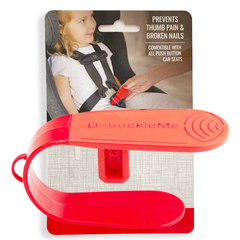
For many families, tools like UnbuckleMe provide extra leverage to press the buckle release button, making it easier for grandparents, parents, and other caregivers with limited hand strength to unbuckle children comfortably. Rather than replacing good car seat practices, it helps more caregivers use them with confidence.
Every Family Looks Different
Some grandparents provide childcare every weekday. Others help only during school vacations or unexpected emergencies. Some families have a large support network, while others rely on just one grandparent to help balance work, school, and everyday life.
There isn't one definition of what a family should look like, and there isn't one perfect caregiver. What matters most is making sure every adult transporting a child understands how to use the car seat correctly, feels comfortable doing so, and speaks up if something isn't working.
Safety Is About Preparation, Not Perfection
The best caregivers aren't the ones who never encounter challenges. They're the ones who recognize those challenges and prepare for them.
If Grandma passes the thumb test with confidence, that's great. If she struggles, that's not a reason to take away precious time with her grandchildren. It's simply an opportunity to practice, make adjustments, or use tools that help her care for them safely.
After all, children benefit from having loving grandparents in their lives. By giving caregivers the knowledge, confidence, and support they need, families can focus less on online criticism and more on what really matters, keeping kids safe while making memories together.
–
Written by the staff writing team at HappyWriters.co in partnership with silver home accessories from Silver Superstore.
Leave a comment